
State and federal lawmakers have introduced multiple proposals in 2025 to curtail or outright block children and teenagers from accessing legal content on the internet. These lawmakers argue that internet and social media platforms have an obligation to censor or suppress speech that they consider “harmful” to young people. Unfortunately, in many of these legislative debates, lawmakers are not listening to kids, whose experiences online are overwhelmingly more positive than what lawmakers claim.
Fortunately, EFF has spent the past year trying to make sure that lawmakers hear young people’s voices. We have also been reminding lawmakers that minors, like everyone else, have First Amendment rights to express themselves online.
These rights extend to a young person’s ability to use social media both to speak for themselves and access the speech of others online. Young people also have the right to control how they access this speech, including a personalized feed and other digestible and organized ways. Preventing teenagers from accessing the same internet and social media channels that adults use is a clear violation of their right to free expression.
On top of violating minors’ First Amendment rights, these laws also actively harm minors who rely on the internet to find community, find resources to end abuse, or access information about their health. Cutting off internet access acutely harms LGBTQ+ youth and others who lack familial or community support where they live. These laws also empower the state to decide what information is acceptable for all young people, overriding parents’ choices.
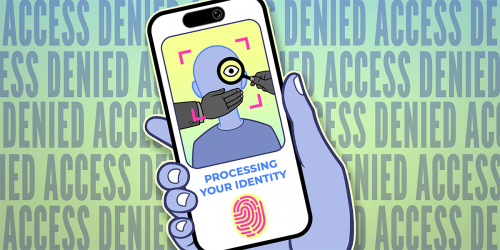
Additionally, all of the laws that would attempt to create a “kid friendly” internet and an “adults-only” internet are a threat to everyone, adults included. These mandates encourage an adoption of invasive and dangerous age-verification technology. Beyond creepy, these systems incentivize more data collection, and increase the risk of data breaches and other harms. Requiring everyone online to provide their ID or other proof of their age could block legal adults from accessing lawful speech if they don’t have the right form of ID. Furthermore, this trend infringes on people’s right to be anonymous online, and creates a chilling effect which may deter people from joining certain services or speaking on certain topics
EFF has lobbied against these bills at both the state and federal level, and we have also filed briefs in support of several lawsuits to protect the First Amendment Rights of minors. We will continue to advocate for the rights of everyone online – including minors – in the future.
This article is part of our Year in Review series. Read other articles about the fight for digital rights in 2025.