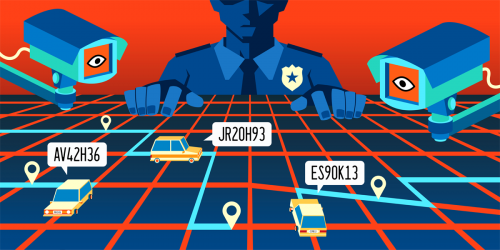


Across ideologically diverse communities, 2025 campaigns against automated license plate reader (ALPR) surveillance kept winning. From Austin, Texas to Cambridge, Massachusetts to Eugene, Oregon, successful campaigns combined three practical elements: a motivated political champion on city council, organized grassroots pressure from affected communities, and technical assistance at critical decision moments.
The 2025 Formula for Refusal
- Institutional Authority: Council members leveraging "procurement power"—local democracy's most underutilized tool—to say no.
- Community Mobilization: A base that refuses to debate "better policy" and demands "no cameras."
- Shared Intelligence: Local coalitions utilizing shared research on contract timelines and vendor breaches.
Practical Wins Over Perfect Policies
In 2025, organizers embraced the "ugly" win: prioritizing immediate contract cancellations over the "political purity" of perfect privacy laws. Procurement fights are often messy, bureaucratic battles rather than high-minded legislative debates, but they stop surveillance where it starts—at the checkbook. In Austin, more than 30 community groups built a coalition that forced a contract cancellation, achieving via purchasing power what policy reform often delays.
In Hays County, Texas, the victory wasn't about a new law, but a contract termination. Commissioner Michelle Cohen grounded her vote in vendor accountability, explaining: "It's more about the company's practices versus the technology." These victories might lack the permanence of a statute, but every camera turned off built a culture of refusal that made the next rejection easier. This was the organizing principle: take the practical win and build on it.
Start with the Harm
Winning campaigns didn't debate technical specifications or abstract privacy principles. They started with documented harms that surveillance enabled. EFF's research showing police used Flock's network to track Romani people with discriminatory search terms, surveil women seeking abortion care, and monitor protesters exercising First Amendment rights became the evidence organizers used to build power.
In Olympia, Washington, nearly 200 community members attended a counter-information rally outside city hall on Dec. 2. The DeFlock Olympia movement countered police department claims point-by-point with detailed citations about data breaches and discriminatory policing. By Dec. 3, cameras had been covered pending removal.
In Cambridge, the city council voted unanimously in October to pause Flock cameras after residents, the ACLU of Massachusetts, and Digital Fourth raised concerns. When Flock later installed two cameras "without the city's awareness," a city spokesperson called it a "material breach of our trust" and terminated the contract entirely. The unexpected camera installation itself became an organizing moment.
The Inside-Outside Game
The winning formula worked because it aligned different actors around refusing vehicular mass surveillance systems without requiring everyone to become experts. Community members organized neighbors and testified at hearings, creating political conditions where elected officials could refuse surveillance and survive politically. Council champions used their institutional authority to exercise "procurement power": the ability to categorically refuse surveillance technology.
To fuel these fights, organizers leveraged technical assets like investigation guides and contract timeline analysis. This technical capacity allowed community members to lead effectively without needing to become policy experts. In Eugene and Springfield, Oregon, Eyes Off Eugene organized sustained opposition over months while providing city council members political cover to refuse. "This is [a] very wonderful and exciting victory," organizer Kamryn Stringfield said. "This only happened due to the organized campaign led by Eyes Off Eugene and other local groups."
Refusal Crosses Political Divides
A common misconception collapsed in 2025: that surveillance technology can only be resisted in progressive jurisdictions. San Marcos, Texas let its contract lapse after a 3-3 deadlock, with Council Member Amanda Rodriguez questioning whether the system showed "return on investment." Hays County commissioners in Texas voted to terminate. Small towns like Gig Harbor, Washington rejected proposals before deployment.
As community partners like the Rural Privacy Coalition emphasize, "privacy is a rural value." These victories came from communities with different political cultures but shared recognition that mass surveillance systems weren't worth the cost or risk regardless of zip code.
Communities Learning From Each Other
In 2025, communities no longer needed to build expertise from scratch—they could access shared investigation guides, learn from victories in neighboring jurisdictions, and connect with organizers who had won similar fights. When Austin canceled its contract, it inspired organizing across Texas. When Illinois Secretary of State's audit revealed illegal data sharing with federal immigration enforcement, Evanston used those findings to terminate 19 cameras.
The combination of different forms of power—institutional authority, community mobilization, and shared intelligence—was a defining feature of this year's most effective campaigns. By bringing these elements together, community coalitions have secured cancellations or rejections in nearly two dozen jurisdictions since February, building the infrastructure to make the next refusal easier and the movement unstoppable.
This article is part of our Year in Review series. Read other articles about the fight for digital rights in 2025.