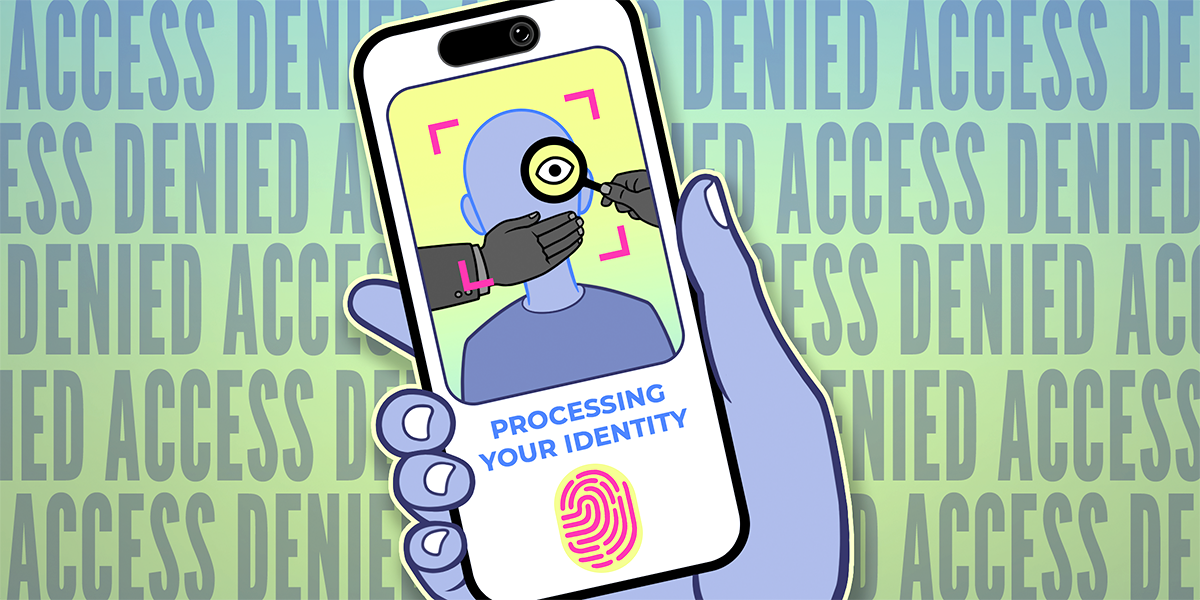
Courts around the country have confirmed that it is nearly impossible to impose online age-verification requirements on social media platforms, general purpose websites, or app stores without violating internet users' First Amendment rights. Courts are blocking different iterations of these so-called "child safety" proposals enacted by states.
Laws that lock such broad swathes of online content behind age gates can almost never withstand First Amendment scrutiny because they violate all internet users' rights to access information, impinge on people's right to anonymity, and exacerbate their data and security risks. Though the Supreme Court’s 2025 decision in Free Speech Coalition v. Paxton wrongly weakened First Amendment protections for adults' access to online speech, it did not end the legal debate over age-verification mandates. Instead, it's a limited ruling: its reasoning applies only to age restrictions on sexual material that minors have no constitutional right to access. We will continue to fight for all internet users’ rights to speak and receive information online, and courts will rightly continue to strike down age-gating laws that apply to protected speech more broadly—as they've done for decades.
Age Verification Bills Censor Protected and Important Online Speech
Courts have repeatedly rejected lawmakers' justification that these laws are necessary to protect young people from "harmful" content online. Courts have ruled that social media platforms contain "vast quantities of constitutionally protected speech, even as to minors." States have not been able to provide the courts with conclusive evidence that establishes a "clear, causal relationship between minors' social media use and negative mental health impacts." And courts have confirmed that minors have substantial First Amendment rights to speak online and access others' online speech.
In truth, the science is inconclusive, and there is no way to guarantee that minors will not encounter content that could affect their mental health without censoring most of the internet—including resources that could help minors deal with the very harms these bills claim to address.
Age Verification Is A "Breathtakingly Blunt" Instrument for Reducing Online Harm
Despite legislators' focus on youth, age verification exposes everyone who visits these websites to privacy and security harms, and stifles their access to protected content. Courts have found that "the governmental interest in protecting children does not justify an unnecessarily broad suppression of speech addressed to adults," except in the limited context recognized in Paxton: age restrictions on sexual material that minors' have to no First Amendment right to access in the first place.
Courts have also held that states cannot needlessly infringe on protected speech when plenty of alternative resources already exist to help parents regulate the content that kids can access. As the Supreme Court has put it: "Such laws do not enforce parental authority over children's speech"—they unconstitutionally replace parents' rights with state authority.